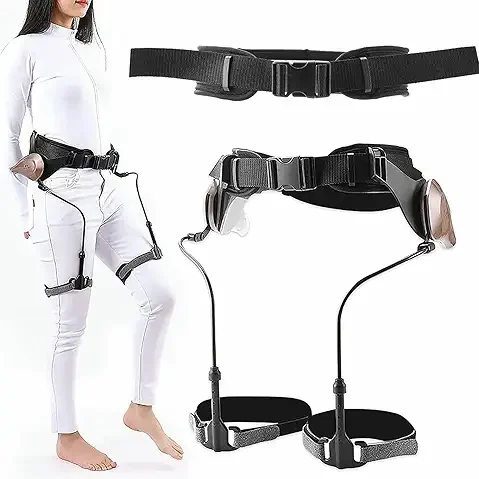
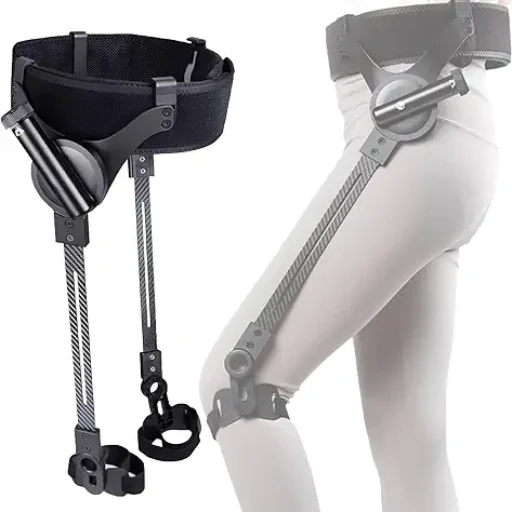
The field of rehabilitation has experienced remarkable technological advancements over the past decade. Among the most exciting developments is the emergence of wearable robotics designed to assist movement, support rehabilitation programs, and improve mobility training experiences.
As healthcare providers seek innovative solutions to address mobility challenges, wearable robotic technologies are becoming increasingly important. Devices such as the Honda Walk Assist demonstrate how robotics can support walking rehabilitation while maintaining a focus on natural movement patterns and user comfort.
The Growing Importance of Mobility Technology
Mobility is closely connected to independence, confidence, and quality of life. When mobility is reduced, everyday activities can become more challenging, affecting both physical and emotional well-being.
Healthcare professionals continually seek new approaches to help individuals maintain or improve mobility. Advances in robotics, artificial intelligence, and biomechanical engineering have created opportunities to develop technologies that support movement in ways that were previously impossible.
Wearable robotic systems represent one of the most promising categories within this growing field of rehabilitation technology.
What Are Wearable Robotics?
Wearable robotics refers to robotic devices designed to be worn on the body to assist movement, enhance physical performance, or support rehabilitation goals. These systems are often engineered to work alongside natural human movement rather than replacing it.
Unlike traditional mobility aids, wearable robotics actively interact with the user’s movements and may provide targeted assistance during specific activities such as walking, standing, or gait training exercises.
The combination of advanced sensors, intelligent control systems, and ergonomic design enables these devices to provide support while preserving natural movement mechanics.
How Wearable Robotics Support Rehabilitation
Rehabilitation programs often involve repetitive movement training aimed at improving motor control, strength, coordination, and mobility. Consistent repetition can help reinforce movement patterns and support recovery goals.
Wearable robotic devices may enhance rehabilitation by assisting users during walking exercises and encouraging more efficient movement patterns. This support can help create structured training experiences that complement traditional therapeutic approaches.
By integrating robotic technology into rehabilitation programs, healthcare professionals can offer patients innovative tools that support mobility training while maintaining personalized care strategies.
Honda Walk Assist and Modern Mobility Solutions
Among the most recognized wearable mobility technologies, the Honda Walk Assist demonstrates how robotics can be applied to practical rehabilitation environments. The device was designed to support natural walking movements while remaining lightweight and easy to use.
Its compact design allows rehabilitation professionals to incorporate robotic gait assistance into existing therapy programs without requiring large, complex equipment installations.
This flexibility makes the technology attractive to rehabilitation clinics, hospitals, universities, and research organizations exploring innovative approaches to mobility support.
Advantages for Rehabilitation Clinics
Healthcare facilities face ongoing challenges related to patient outcomes, operational efficiency, and access to advanced treatment technologies. Wearable robotics can help address these challenges by providing additional tools for mobility-focused rehabilitation programs.
The Honda Walk Assist offers a practical solution that can be integrated into walking rehabilitation sessions, mobility assessments, and gait training activities. Because the device is wearable and portable, clinics can implement robotic assistance without major infrastructure changes.
This accessibility makes advanced mobility technology available to a broader range of healthcare organizations.
Why Rental Access Matters
One of the barriers to adopting advanced rehabilitation technology is cost. Not every organization requires permanent ownership of specialized equipment.
Rental programs help solve this challenge by providing access to innovative technology without requiring a large upfront investment. Through flexible rental solutions, clinics and organizations can evaluate the benefits of wearable robotics while maintaining financial flexibility.
Prime Robotics helps make Honda Walk Assist technology more accessible by offering both sales and rental options tailored to different customer needs.
Looking Ahead
The future of rehabilitation is increasingly connected to technology. Wearable robotics, artificial intelligence, and advanced mobility systems are expected to play an expanding role in helping healthcare professionals deliver effective rehabilitation programs.
As innovation continues, devices such as the Honda Walk Assist will likely become an important part of modern mobility training strategies. Their ability to support natural movement while enhancing rehabilitation experiences demonstrates the powerful potential of robotics in healthcare.
Prime Robotics remains committed to helping healthcare organizations and individuals access advanced mobility technologies that support rehabilitation, independence, and improved quality of life. Through expert guidance, flexible rental programs, and access to innovative solutions, we are helping shape the future of mobility assistance.